
Benefits of a Sewage Treatment Plant for Communities in Bangalore
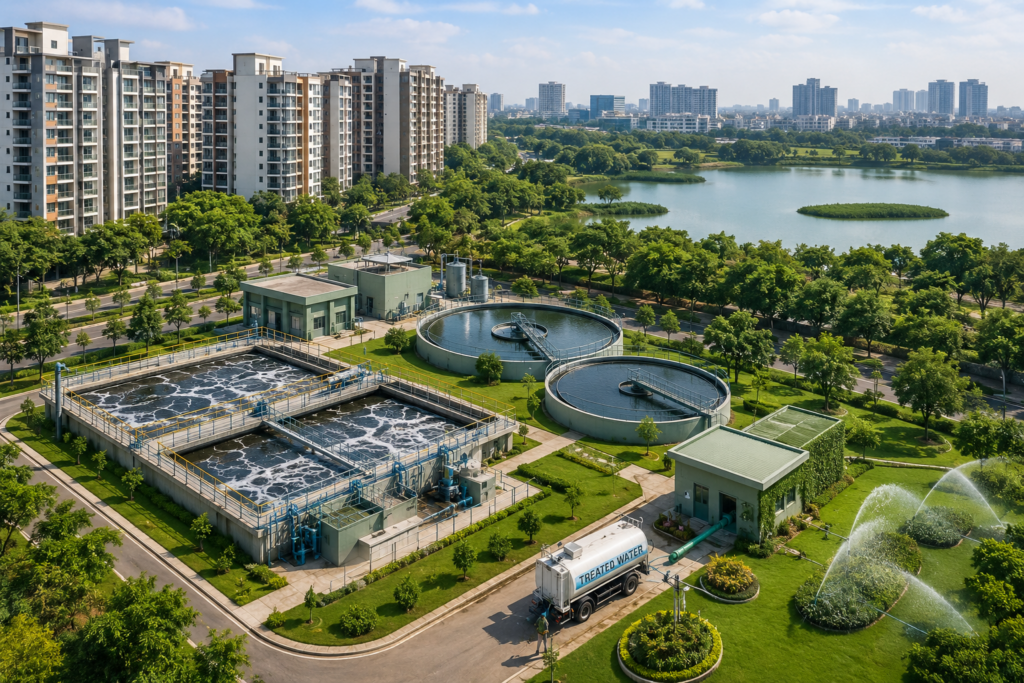
Bangalore, often referred to as the Silicon Valley of India, is one of the fastest-growing metropolitan cities in the country. With rapid urbanization, expanding residential communities, commercial developments, IT parks, educational institutions, and industrial facilities, the city faces increasing pressure on its water resources and sanitation infrastructure.
As the population continues to grow, the volume of wastewater generated every day also rises significantly. Without proper treatment, untreated sewage can pollute lakes, groundwater, and surrounding ecosystems, creating serious environmental and public health concerns. This is whereSewage Treatment Plants (STPs) play a crucial role.
Modern sewage treatment plants help communities manage wastewater efficiently, recycle valuable water resources, comply with environmental regulations, and contribute to a sustainable future. For Bangalore, where water scarcity and environmental conservation are pressing issues, investing in a reliable sewage treatment plant is no longer an option—it is a necessity.
In this article, we explore the numerous benefits of sewage treatment plants for communities in Bangalore and why GreenSew’s advanced STP solutions are helping shape a cleaner and more sustainable city.
Understanding Sewage Treatment Plants
ASewage Treatment Plant (STP) is a system designed to treat wastewater generated from residential, commercial, institutional, and industrial activities. The treatment process removes contaminants, organic matter, suspended solids, and harmful microorganisms from sewage before the water is discharged or reused.
The primary goal of an STP is to transform wastewater into treated water that meets environmental standards and can safely be reused for various non-potable applications.
How Does an STP Work?
The treatment process generally includes:
Preliminary Treatment
Large debris, plastics, and floating materials are removed.
Primary Treatment
Suspended solids settle at the bottom of sedimentation tanks.
Biological Treatment
Beneficial microorganisms break down organic pollutants.
Secondary Clarification
Remaining solids are separated from treated water.
Tertiary Treatment
Filtration and disinfection improve water quality further.
Water Reuse or Safe Discharge
The treated water can be used for landscaping, flushing, cooling systems, gardening, and other purposes.
Why Bangalore Needs More Sewage Treatment Plants
Rapid Urban Growth
Bangalore’s population has grown dramatically over the past two decades. New apartment complexes, gated communities, IT campuses, and commercial hubs continue to emerge across the city.
This rapid development increases sewage generation, placing immense pressure on existing wastewater management systems.
Water Scarcity Challenges
Despite receiving seasonal rainfall, Bangalore faces recurring water shortages due to:
- Increasing water demand
- Depleting groundwater levels
- Dependence on Cauvery River water
- Uneven rainfall distribution
Water recycling through STPs can significantly reduce freshwater consumption.
Protection of Lakes and Water Bodies
Bangalore was once known for its interconnected lake system. Unfortunately, many lakes have suffered due to sewage discharge and pollution.
Installing effective sewage treatment systems helps protect these valuable water resources and restore environmental balance.
Key Benefits of a Sewage Treatment Plant for Communities in Bangalore
1. Water Conservation and Reuse
One of the most significant benefits of an STP is water conservation.
Communities can recycle treated wastewater for:
- Toilet flushing
- Gardening
- Landscaping
- Cooling towers
- Road cleaning
- Construction activities
This reduces dependence on freshwater sources and promotes sustainable water management.
For apartment complexes and commercial buildings, water reuse can result in substantial savings on water procurement costs.
2. Reduced Dependence on Water Tankers
Many Bangalore communities rely heavily on tanker water due to limited municipal supply.
Water tanker costs continue to rise, impacting operational budgets for residential and commercial properties.
By treating and reusing wastewater, communities can:
- Reduce tanker water consumption
- Lower monthly expenses
- Ensure a more reliable water supply
This benefit becomes especially valuable during summer months when water shortages are common.
3. Protection of Groundwater Resources
Groundwater serves as a critical water source for Bangalore.
When untreated sewage seeps into the soil, it contaminates groundwater aquifers and affects water quality.
An STP prevents this contamination by ensuring wastewater is treated before disposal or reuse.
Benefits include:
- Improved groundwater quality
- Reduced environmental damage
- Long-term sustainability of local water resources
4. Improved Public Health
Untreated sewage contains harmful bacteria, viruses, parasites, and pathogens that can cause serious diseases.
Common waterborne illnesses include:
- Cholera
- Typhoid
- Dysentery
- Gastroenteritis
- Hepatitis
A properly functioning STP removes these contaminants, creating a healthier environment for residents.
Communities benefit from:
- Reduced disease risks
- Better sanitation
- Improved quality of life
- Safer living conditions
5. Environmental Protection
Environmental sustainability is becoming increasingly important for urban communities.
Sewage treatment plants help by:
- Preventing water pollution
- Protecting aquatic ecosystems
- Reducing environmental degradation
- Conserving natural resources
Treated wastewater can safely re-enter the environment without causing ecological harm.
This contributes to a cleaner and greener Bangalore.
6. Compliance with Pollution Control Regulations
Government authorities and pollution control boards have established strict wastewater treatment regulations.
Residential and commercial developments often require STPs to comply with environmental norms.
A properly designed sewage treatment plant helps communities:
- Meet statutory requirements
- Avoid penalties and legal issues
- Obtain necessary approvals
- Maintain environmental compliance
Regulatory compliance also enhances the credibility of property developers and facility managers.
7. Enhanced Property Value
Modern homebuyers and investors increasingly prefer environmentally responsible communities.
Properties equipped with advanced wastewater treatment systems are viewed as:
- Sustainable
- Eco-friendly
- Future-ready
- Resource-efficient
As a result, communities with STPs often enjoy:
- Higher property values
- Better market appeal
- Increased buyer confidence
Sustainable infrastructure has become a valuable asset in the real estate market.
8. Reduced Pollution of Bangalore Lakes
Several lakes in Bangalore have suffered from sewage contamination over the years.
Untreated wastewater contributes to:
- Algal blooms
- Foul odors
- Water quality deterioration
- Loss of biodiversity
Sewage treatment plants significantly reduce pollutant discharge and help preserve urban lakes.
This supports conservation efforts and improves the city’s environmental health.
9. Odor Control and Better Hygiene
Improper wastewater management can result in unpleasant odors and unhygienic conditions.
Modern STPs are designed to:
- Minimize odor generation
- Maintain cleanliness
- Improve sanitation standards
Residents enjoy a cleaner, healthier, and more comfortable living environment.
10. Sustainable Urban Development
Sustainability is a key goal for modern cities.
Sewage treatment plants support sustainable development by:
- Conserving water resources
- Reducing pollution
- Promoting resource recovery
- Supporting circular economy practices
As Bangalore continues to grow, sustainable wastewater management will play a critical role in future urban planning.
Benefits for Different Types of Communities
Apartment Complexes
Large residential apartments generate substantial amounts of wastewater every day.
Benefits include:
- Reduced water bills
- Water reuse for landscaping
- Compliance with regulations
- Improved sustainability ratings
Gated Communities
Gated communities can achieve greater self-sufficiency by recycling wastewater internally.
Advantages include:
- Lower operational costs
- Better resource management
- Reduced environmental footprint
Commercial Buildings
Commercial complexes require large quantities of water for daily operations.
STPs help:
- Reduce freshwater consumption
- Meet environmental standards
- Improve operational efficiency
Hotels and Resorts
Hospitality establishments consume significant amounts of water.
Recycled water can be used for:
- Gardening
- Cooling systems
- Housekeeping applications
This improves sustainability while reducing operating expenses.
Educational Institutions
Schools and colleges benefit from:
- Water conservation
- Environmental education opportunities
- Regulatory compliance
Hospitals
Hospitals require effective wastewater treatment to maintain hygiene and environmental safety.
Advanced STPs help manage wastewater responsibly and safely.
Modern STP Technologies for Bangalore Communities
SBR Technology
Sequencing Batch Reactor (SBR) technology is widely used due to its high treatment efficiency.
Benefits include:
- Excellent pollutant removal
- Compact footprint
- Automated operation
- Consistent treated water quality
MBBR Technology
Moving Bed Biofilm Reactor (MBBR) technology provides reliable treatment performance.
Advantages include:
- Easy operation
- Flexible design
- High biological efficiency
Advanced Automated Systems
Modern STPs incorporate automation features that reduce operator dependency and improve reliability.
These systems ensure consistent compliance and efficient performance.
Why Choose GreenSew for Sewage Treatment Plants in Bangalore?
GreenSew is committed to delivering innovative wastewater treatment solutions tailored to the needs of modern communities.
Advanced Engineering
Our systems are designed using proven treatment technologies that ensure reliable performance and regulatory compliance.
Customized Solutions
Every community has unique wastewater treatment requirements.
GreenSew provides customized STP solutions based on:
- Population size
- Wastewater volume
- Site conditions
- Reuse requirements
Energy-Efficient Operation
Our systems are designed to minimize energy consumption while maintaining optimal treatment performance.
Low Maintenance Requirements
GreenSew solutions are engineered for ease of operation and reduced maintenance costs.
Expert Support
From design and installation to commissioning and after-sales service, GreenSew provides comprehensive support throughout the project lifecycle.
The Future of Wastewater Management in Bangalore
As Bangalore continues to expand, wastewater treatment will become increasingly important.
Future trends include:
- Smart sewage treatment systems
- Decentralized wastewater treatment
- Increased water recycling
- IoT-enabled monitoring
- Sustainable urban infrastructure
Communities that invest in advanced STPs today will be better prepared for tomorrow’s environmental and regulatory challenges.
Conclusion
A sewage treatment plant is far more than a regulatory requirement—it is an essential investment in the health, sustainability, and future of Bangalore’s communities.
From conserving precious water resources and protecting public health to reducing pollution and lowering operational costs, STPs deliver a wide range of benefits that contribute to a cleaner and more resilient urban environment.
As water scarcity and environmental concerns continue to grow, wastewater recycling and sustainable sewage treatment will become indispensable for residential communities, commercial buildings, institutions, and industrial facilities.
GreenSew is proud to support Bangalore’s journey toward sustainable wastewater management with advanced, reliable, and efficient sewage treatment plant solutions designed for modern communities.
Frequently Asked Questions (FAQs)
1. Why is a sewage treatment plant important for Bangalore?
It helps conserve water, reduce pollution, protect public health, and support sustainable urban development.
2. Can treated sewage water be reused?
Yes. Treated water can be reused for flushing, gardening, landscaping, cooling towers, and other non-potable applications.
3. Is anSTP mandatory for apartment complexes in Bangalore?
Many residential and commercial developments are required to install STPs to comply with environmental regulations.
4. Which STP technology is best for apartments?
SBR technology is widely preferred due to its high efficiency, compact design, and consistent performance.
5. How does an STP reduce water bills?
By recycling wastewater for non-potable uses, communities reduce their dependence on fresh water and tanker supplies.
6. Why choose GreenSew STP solutions?
GreenSew offers customized, energy-efficient, low-maintenance sewage treatment plants with expert support and reliable performance.