
Top Sewage Treatment Plant Suppliers in Hyderabad: Advanced Wastewater Treatment Solutions for Residential, Commercial & Industrial Projects
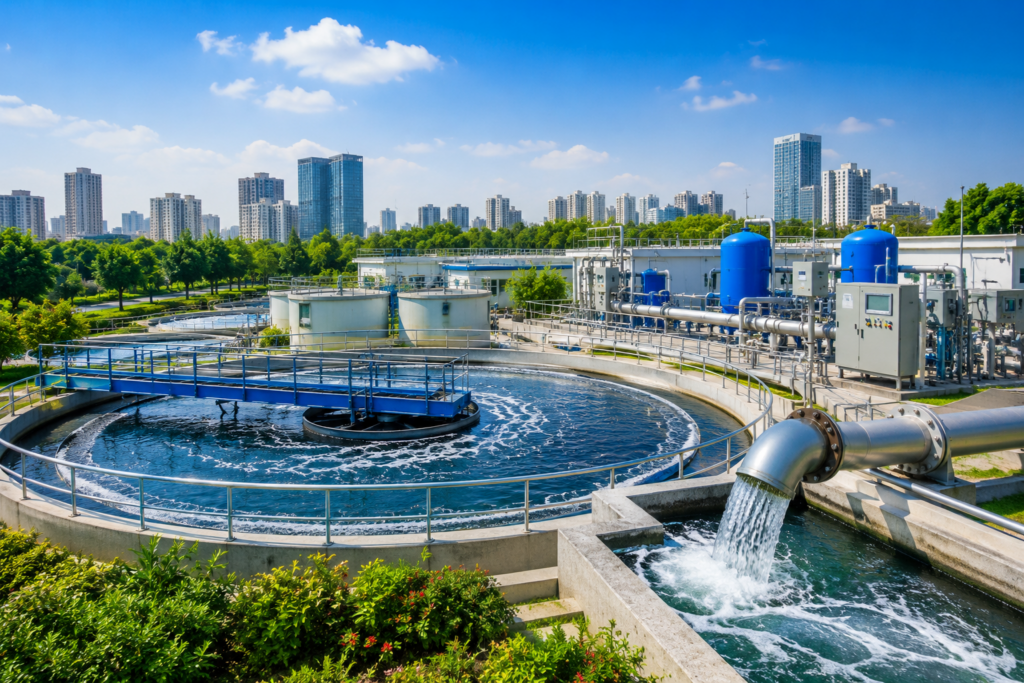
Hyderabad has emerged as one of India’s fastest-growing metropolitan cities, witnessing significant expansion in residential communities, commercial complexes, IT parks, educational institutions, healthcare facilities, and industrial zones. With this rapid urbanization comes a critical challenge—effective wastewater management. The increasing population and growing demand for water resources have made sewage treatment an essential component of sustainable development.
A Sewage Treatment Plant (STP) plays a vital role in treating wastewater generated from homes, offices, industries, hotels, hospitals, and other establishments. By removing contaminants and pollutants, STPs help protect the environment, conserve water resources, and ensure compliance with environmental regulations.
Choosing the right sewage treatment plant supplier in Hyderabad is crucial for achieving efficient wastewater treatment, long-term operational reliability, and regulatory compliance. Whether you are developing a residential apartment, commercial building, industrial facility, or municipal project, partnering with an experienced STP supplier can significantly impact the success of your wastewater management system.
In this comprehensive guide, we explore the importance of sewage treatment plants, the technologies available, key factors to consider when selecting a supplier, and why GreenSew is a trusted name for advanced wastewater treatment solutions in Hyderabad.
Understanding Sewage Treatment Plants
What is a Sewage Treatment Plant?
A Sewage Treatment Plant is a system designed to treat wastewater generated from domestic, commercial, and industrial activities. The primary objective of an STP is to remove physical, chemical, and biological contaminants from wastewater before it is safely discharged or reused.
The treated water can often be reused for landscaping, flushing, cooling towers, gardening, and other non-potable applications, helping organizations reduce their dependence on freshwater sources.
How Does an STP Work?
The sewage treatment process typically involves multiple stages:
Preliminary Treatment
Large solids, debris, plastics, and grit are removed through screens and grit chambers to protect downstream equipment.
Primary Treatment
Suspended solids settle at the bottom of sedimentation tanks, reducing the organic load on subsequent treatment stages.
Secondary Treatment
Biological processes utilize microorganisms to break down dissolved organic matter and pollutants present in wastewater.
Tertiary Treatment
Advanced filtration and disinfection processes further improve water quality by removing residual contaminants and pathogens.
Water Reuse or Disposal
The treated water is either reused for various applications or safely discharged according to environmental regulations.
Why Hyderabad Needs Efficient Sewage Treatment Plants
Rapid Urban Growth
Hyderabad continues to attract investments in real estate, information technology, pharmaceuticals, manufacturing, and infrastructure development. This growth generates substantial volumes of wastewater that require proper treatment.
Without adequate sewage treatment infrastructure, untreated wastewater can contaminate lakes, rivers, and groundwater resources.
Water Scarcity Challenges
Despite seasonal rainfall, Hyderabad faces increasing water demand due to population growth and urban expansion. Reusing treated wastewater can significantly reduce pressure on freshwater resources.
Many residential communities, commercial establishments, and industries are adopting STPs to support water conservation initiatives and improve sustainability.
Environmental Protection
Untreated sewage contains harmful pollutants, pathogens, and organic matter that can negatively impact ecosystems and public health.
Modern sewage treatment plants help prevent environmental pollution while supporting cleaner and healthier communities.
Regulatory Compliance
Government agencies and pollution control authorities have established strict wastewater discharge standards. Installing a compliant STP helps organizations meet legal requirements and avoid penalties.
Applications of Sewage Treatment Plants
Residential Apartments and Gated Communities
Large residential developments generate substantial quantities of wastewater daily. STPs enable communities to:
- Reuse treated water for gardening and flushing
- Reduce freshwater consumption
- Meet environmental regulations
- Improve sustainability ratings
Commercial Buildings
Office complexes, shopping malls, and commercial centers benefit from STPs through efficient wastewater management and reduced operating costs.
Hotels and Resorts
Hospitality facilities consume large amounts of water. Treated wastewater can be reused for landscaping, cooling towers, and cleaning activities.
Hospitals and Healthcare Facilities
Healthcare institutions require reliable wastewater treatment systems to manage sewage safely while maintaining environmental standards.
Educational Institutions
Schools, colleges, universities, and training centers can reduce water consumption and improve environmental responsibility through STP installations.
Industrial Facilities
Industries generate varying wastewater loads and require customized treatment solutions that meet operational and regulatory requirements.
Municipal Projects
Government authorities increasingly invest in sewage treatment infrastructure to improve urban sanitation and water resource management.
Types of Sewage Treatment Technologies
Selecting the right treatment technology is critical for achieving desired treatment performance and operational efficiency.
Sequential Batch Reactor (SBR) Technology
SBR is one of the most widely adopted wastewater treatment technologies.
How SBR Works
The treatment process occurs in batches within a single reactor through sequential stages:
- Fill
- Aeration
- Settling
- Decanting
- Idle
Advantages of SBR Technology
- High treatment efficiency
- Excellent nutrient removal
- Compact footprint
- Automated operation
- Low sludge production
- Consistent effluent quality
Applications
- Apartments
- Hotels
- Commercial buildings
- Educational institutions
- Healthcare facilities
Moving Bed Biofilm Reactor (MBBR) Technology
MBBR technology utilizes specially designed media carriers that provide a large surface area for microbial growth.
Benefits
- High treatment efficiency
- Flexible operation
- Compact design
- Low maintenance
- Enhanced biological performance
Suitable Applications
- Industrial facilities
- Commercial developments
- Municipal treatment projects
Activated Sludge Process (ASP)
ASP is a conventional biological wastewater treatment technology.
Advantages
- Proven technology
- Effective organic matter removal
- Suitable for large treatment capacities
Limitations
- Requires larger space
- Higher maintenance requirements
- More sludge generation
Membrane Bioreactor (MBR)
MBR combines biological treatment with membrane filtration.
Key Benefits
- Superior effluent quality
- High water reuse potential
- Compact footprint
- Effective pathogen removal
Applications
- High-end commercial developments
- Pharmaceutical facilities
- Water reuse projects
Key Factors to Consider When Choosing Sewage Treatment Plant Suppliers in Hyderabad
Industry Experience
Choose suppliers with proven expertise in wastewater treatment engineering and project execution.
Experienced suppliers understand local regulations, site conditions, and industry requirements.
Technology Selection
The supplier should offer multiple treatment technologies and recommend solutions based on project-specific requirements.
Design Capabilities
Every project has unique wastewater characteristics and treatment goals. Customized designs ensure optimal performance.
Installation Support
A reliable supplier should provide complete installation, commissioning, and startup assistance.
Maintenance Requirements
Modern STPs should be designed for minimal maintenance while ensuring consistent treatment performance.
Quality Standards
Look for suppliers that follow stringent manufacturing standards and quality assurance practices.
After-Sales Service
Prompt technical support and maintenance assistance are critical for long-term system reliability.
Project References
Review completed projects and customer testimonials to assess supplier credibility and performance.
Benefits of Installing a Modern Sewage Treatment Plant
Water Conservation
One of the biggest advantages of an STP is the ability to reuse treated wastewater, reducing dependence on freshwater sources.
Environmental Sustainability
STPs prevent pollution and help protect natural water bodies and ecosystems.
Reduced Water Bills
Organizations can significantly reduce water procurement costs through wastewater recycling.
Regulatory Compliance
Compliance with pollution control standards minimizes legal risks and operational disruptions.
Improved Corporate Image
Sustainable wastewater management demonstrates environmental responsibility and enhances brand reputation.
Resource Optimization
Treated water can be used for multiple non-potable applications, maximizing resource efficiency.
Future Readiness
As environmental regulations become stricter, organizations with modern STPs are better positioned for future compliance.
Features of Advanced Sewage Treatment Plants
Modern sewage treatment plants incorporate advanced engineering and automation technologies.
Automated Operations
Automation minimizes human intervention while ensuring reliable treatment performance.
Compact Design
Space-efficient designs are ideal for urban environments where land availability is limited.
Energy Efficiency
Advanced systems are engineered to minimize power consumption and operating costs.
Odor Control
Modern treatment processes reduce odor generation and improve user comfort.
Modular Construction
Prefabricated and modular STPs allow faster installation and commissioning.
Remote Monitoring
Smart monitoring systems provide real-time performance insights and operational control.
Why GreenSew is a Trusted Sewage Treatment Plant Supplier in Hyderabad
GreenSew specializes in providing innovative sewage treatment solutions designed to meet the needs of residential, commercial, industrial, and institutional clients.
Advanced easySTP Technology
GreenSew’s easySTP systems are engineered for superior treatment performance, reliability, and ease of operation.
Customized Solutions
Every project is carefully evaluated to develop the most suitable treatment solution based on wastewater characteristics and site requirements.
Fast Installation
Prefabricated systems enable quicker deployment and reduced project timelines.
Low Maintenance Design
GreenSew focuses on delivering systems that require minimal maintenance while ensuring consistent performance.
Expert Engineering Support
The company’s experienced technical team provides end-to-end project support, including design, manufacturing, installation, commissioning, and maintenance.
Compliance-Focused Approach
GreenSew systems are designed to meet applicable environmental regulations and discharge standards.
PAN India Service Network
The company supports projects across India with responsive technical assistance and service support.
Industries Served by GreenSew
Residential Projects
- Apartments
- Gated communities
- Villas
- Housing societies
Commercial Projects
- Office complexes
- Shopping malls
- Business parks
Hospitality Sector
- Hotels
- Resorts
- Convention centers
Healthcare Facilities
- Hospitals
- Clinics
- Medical colleges
Educational Institutions
- Schools
- Colleges
- Universities
Industrial Facilities
- Manufacturing units
- Pharmaceutical facilities
- Processing industries
Government Projects
- Municipal developments
- Public infrastructure projects
Common Wastewater Treatment Challenges and Solutions
High Operating Costs
Solution
Energy-efficient equipment, automation, and optimized process design help reduce operational expenses.
Space Limitations
Solution
Compact technologies such as SBR and MBR provide high treatment efficiency within smaller footprints.
Odor Problems
Solution
Proper system design and advanced aeration technologies help control odor generation.
Maintenance Issues
Solution
Modern low-maintenance systems reduce downtime and improve reliability.
Compliance Challenges
Solution
Advanced treatment technologies ensure treated water consistently meets regulatory standards.
Future Trends in Sewage Treatment Technology
Smart STPs
IoT-enabled monitoring systems provide real-time operational insights and predictive maintenance capabilities.
Increased Water Reuse
Growing water scarcity is driving demand for wastewater recycling and reuse systems.
Energy-Efficient Treatment
Future STPs will focus on reducing energy consumption while maintaining high treatment performance.
Sustainable Infrastructure
Green building initiatives increasingly require efficient wastewater treatment and water conservation systems.
Advanced Automation
Artificial intelligence and data analytics will further improve treatment efficiency and operational reliability.
Frequently Asked Questions
What is the cost of a sewage treatment plant in Hyderabad?
The cost depends on treatment capacity, technology selection, site conditions, automation requirements, and project scope.
Which STP technology is best for apartments?
SBR technology is commonly preferred due to its high efficiency, compact design, and ease of operation.
Can treated wastewater be reused?
Yes. Treated water can typically be reused for gardening, flushing, landscaping, cooling towers, and cleaning purposes.
How much maintenance does an STP require?
Maintenance requirements vary by technology. Modern systems are designed to minimize routine maintenance.
How long does installation take?
Installation timelines depend on plant capacity and project complexity. Prefabricated systems generally allow faster deployment.
Is government approval required?
Most projects must comply with local environmental regulations and pollution control board requirements.
What capacity STP should I choose?
Capacity selection depends on wastewater generation rates, occupancy levels, and future expansion plans.
Conclusion
As Hyderabad continues to expand and develop, efficient wastewater management has become more important than ever. Sewage Treatment Plants play a crucial role in protecting the environment, conserving water resources, ensuring regulatory compliance, and supporting sustainable urban growth.
Selecting the right sewage treatment plant supplier in Hyderabad is essential for achieving long-term operational success. A reliable supplier provides not only advanced treatment technology but also expert design, installation, commissioning, and maintenance support.
GreenSew stands out as a trusted partner for residential, commercial, industrial, institutional, and municipal wastewater treatment projects. With advanced easySTP solutions, customized engineering, low-maintenance designs, and a strong commitment to environmental sustainability, GreenSew helps organizations achieve efficient and reliable wastewater treatment.
If you are looking for a dependable sewage treatment plant supplier in Hyderabad, GreenSew offers innovative solutions tailored to your specific requirements, ensuring cleaner water, regulatory compliance, and a more sustainable future.